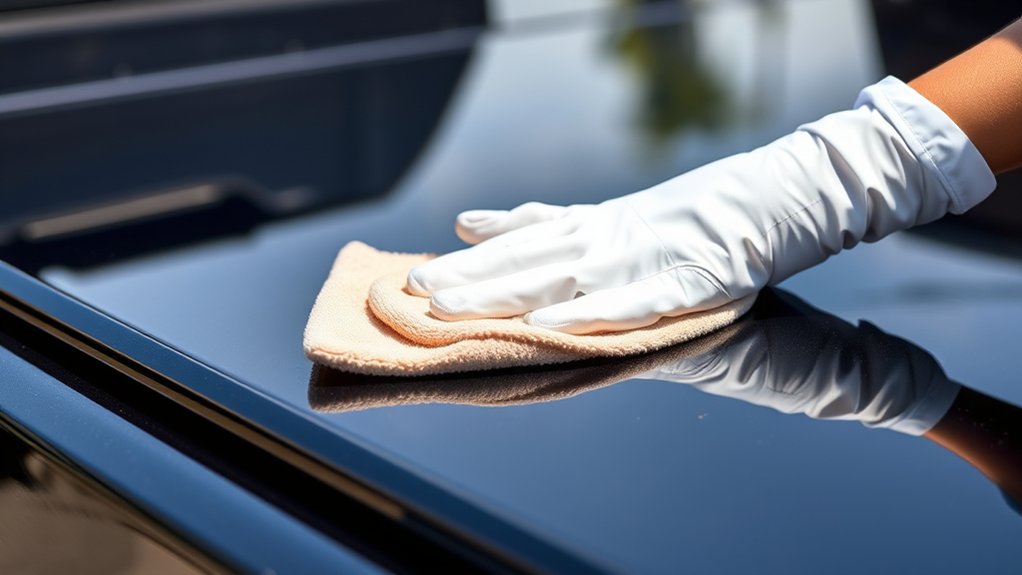
How to Make Tonneau Cover Shine
You want your tonneau cover to shine and look its best, but achieving that smooth, glossy finish takes more than a quick wash. Knowing how to clean and protect the material properly is key to preventing fading and damage from sun and weather.
By following the right steps tailored to your cover’s type, you can maintain its shine and extend its lifespan. Let’s start by understanding what kind of cover you have.
Key Takeaways
- Clean the tonneau cover regularly using mild soap, water, and a soft microfiber cloth to remove dirt without scratching the surface.
- Dry the cover completely after washing to prevent water spots and potential corrosion underneath.
- Apply a vinyl protectant or appropriate polish sparingly, spreading evenly in circular motions to restore and maintain gloss.
- Avoid harsh chemicals and abrasive tools that can damage UV coatings and degrade the cover’s surface.
- Keep rails and retracting parts clean and free of grime to ensure smooth operation and maintain overall appearance.
Why Keeping Your Tonneau Cover Shiny Matters
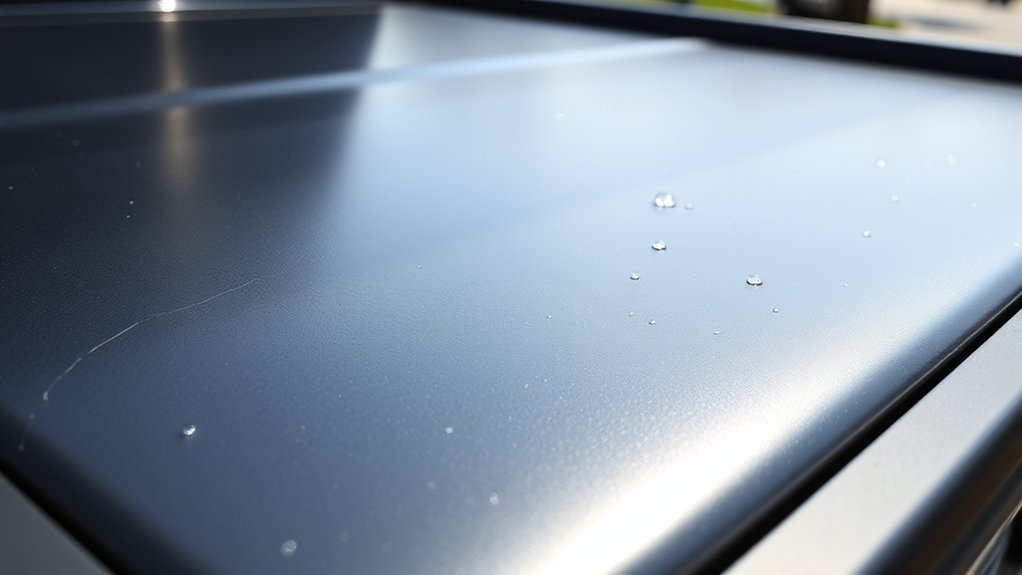
Why should you keep your tonneau cover shiny? Maintaining a glossy finish isn’t just about aesthetics. It protects your cover from UV damage, dirt buildup, and premature wear.
When you keep it shiny, you extend its lifespan and maintain your truck’s resale value. Don’t get distracted by unrelated topics or random discussions about truck accessories that don’t affect cover maintenance.
Focus on the importance of regular cleaning and polishing to prevent fading and cracking. A clean, shiny surface repels water and debris better, reducing the risk of corrosion underneath.
How to Identify Your Tonneau Cover Material
To keep your tonneau cover shining, you first need to identify its material. Look closely at common materials like vinyl, aluminum, or canvas, noting their visual traits.
Then, use touch and flexibility tests to confirm what you’re working with before applying any cleaning or shining products.
Common Tonneau Cover Materials
How can you tell what material your tonneau cover is made from? Recognizing the common materials helps you maintain proper care, ensuring color matching and material longevity. Most covers fall into these categories:
- Vinyl: Flexible and lightweight, vinyl often features a matte finish and offers UV resistance. It’s easy to clean but may crack over time if not treated properly.
- Aluminum: Durable and weather-resistant, aluminum covers provide a rigid, sleek surface that resists dents and corrosion, maintaining color vibrancy longer.
- Fiberglass: Known for its rigidity and smooth finish, fiberglass offers excellent protection and a glossy look, though it requires careful maintenance to prevent fading.
Visual Material Characteristics
Wondering which material your tonneau cover is made from? Start with a careful texture analysis. Vinyl covers usually have a slightly grainy, matte surface, while fiberglass tends to be smooth and glossy.
Next, perform a glare assessment under direct light. Fiberglass and hard plastic covers reflect more light, producing a sharper glare, whereas soft covers like fabric or vinyl exhibit diffused, minimal glare.
Observe the color consistency too. Vinyl often shows uniform color with minor texture variations, while aluminum may display a metallic sheen with subtle patterns.
Touch And Flexibility Tests
Visual cues like texture and glare give you a good start, but confirming your tonneau cover’s material often requires a hands-on approach. Touch and flexibility tests help you distinguish between vinyl, leather, or hard plastic covers. Follow these steps:
Feel the surface: Vinyl feels smooth and flexible, while leather is softer and warmer to the touch. Hard plastic is rigid and cold.
Flex gently: Vinyl and leather bend without cracking; hard plastic resists bending and may snap under pressure.
Perform noise testing: Lightly tap the cover; vinyl produces a dull thud, hard plastic a sharper sound.
Identifying your cover material helps prevent irreversible fading by choosing proper care, and noise testing confirms material type for effective maintenance.
Gather the Right Supplies to Clean Your Tonneau Cover
Before you start cleaning, gather essential tools like a soft brush, microfiber cloth, and a gentle cleaner suited for your tonneau cover’s material. Choose a product that won’t damage or fade the surface, and avoid harsh chemicals.
Don’t forget to prepare protective gear, such as gloves, to keep your hands safe during the process.
Essential Cleaning Tools
To achieve a spotless shine on your tonneau cover, you’ll need the right cleaning tools at hand. Start by understanding your cover’s material identification to select tools that won’t cause damage. Using improper tools can scratch or degrade the surface, so be deliberate.
Essential cleaning tools include:
- Soft microfiber cloths for gentle wiping and drying
- A soft-bristle brush to loosen dirt without harming the material
- A spray bottle to evenly distribute water or cleaning solution
These tools help you clean thoroughly while preserving the cover’s integrity. Avoid abrasive sponges or harsh brushes that may compromise the material. Having these cleaning tools ready streamlines the process, ensuring effective dirt removal and a brilliant shine on your tonneau cover every time.
Choosing the Right Cleaner
Once you have the right tools ready, selecting the appropriate cleaner for your tonneau cover becomes the next step. Choose a cleaner specifically formulated for your cover’s material, vinyl, leather, or fabric, to avoid damage. Avoid harsh chemicals that can degrade the surface or strip protective coatings.
Consider a gentle, pH-balanced cleaner to safely remove dirt and grime. Pay special attention to hidden stains that often accumulate in folds or seams; a targeted cleaner can help lift these without excessive scrubbing.
Adjust your cleaning frequency based on usage and exposure to elements, ensuring you don’t let buildup become stubborn. Using the right cleaner not only maintains your cover’s appearance but also extends its lifespan, keeping it shiny and functional longer.
Protective Gear Preparation
How should you prepare to clean your tonneau cover effectively? Start by gathering essential protective gear and supplies to ensure safety and maintain the cover’s integrity. Wearing gloves shields your hands from harsh chemicals, while safety glasses protect your eyes from splashes.
Proper storage practices for your cleaning tools keep them in good condition and ready for future use. Here’s what you’ll need:
- Durable gloves and safety glasses for protective gear
- Soft microfiber cloths or sponges to avoid surface scratches
- A bucket with clean water to rinse and dilute cleaning solutions
How to Clean Vinyl Tonneau Covers Step by Step
Cleaning vinyl tonneau covers requires a careful approach to preserve their appearance and durability. Start by rinsing the cover with water to remove loose dirt.
Cleaning vinyl tonneau covers begins with a gentle rinse to safely remove loose dirt and preserve durability.
Next, mix a mild soap solution specifically designed for cleaning vinyl. Using a soft cloth or sponge, gently scrub the surface to avoid damaging the material. Rinse thoroughly to eliminate any soap residue.
Avoid harsh chemicals that can degrade the vinyl and reduce UV protection. After drying with a clean, soft towel, apply a vinyl protectant to restore flexibility and shield against sun damage.
Regular cleaning vinyl maintenance not only keeps the cover looking sharp but also extends its lifespan by preventing cracks and fading. Follow these steps consistently to ensure your tonneau cover shines and remains resilient.
Maintaining and Cleaning Hard Tonneau Covers
Maintaining hard tonneau covers involves routine care that preserves their structural integrity and appearance. To keep your cover looking sharp and functioning properly, focus on regular cleaning and inspection. This helps prevent rust and ensures sound drainage channels remain clear.
Here’s what you should do:
Clean the surface with mild soap and water to remove dirt without damaging the finish.
Inspect hinges and latches for rust; apply lubricant to prevent corrosion.
Check sound drainage holes and clear any blockages to avoid water buildup.
Caring for Retractable Tonneau Covers: Cleaning Tips
When was the last time you gave your retractable tonneau cover a thorough cleaning? Regular care prevents dirt buildup and extends your cover’s life. Start by gently rinsing with water to remove loose debris.
Avoid harsh chemicals; many maintenance myths suggest otherwise, but these can damage seals and mechanisms. Use a mild soap solution and a soft cloth to clean the surface, then rinse thoroughly.
For stubborn spots, apply gentle pressure without scrubbing aggressively. After cleaning, dry the cover completely to prevent water spots and corrosion.
Keep the rails and retracting parts free from grime, as this supports smooth operation. While gloss restoration isn’t typically needed for retractable covers, maintaining cleanliness ensures they retain their sleek look and function optimally.
Top Products to Restore and Protect Your Tonneau Cover
Which products truly enhance your tonneau cover’s appearance and durability? To keep your cover looking sharp and extend its life, focus on solutions designed for hardtop maintenance and UV resistance. Choose products that clean, restore, and shield without causing damage.
Here are top picks to restore and protect your tonneau cover:
- Vinyl and Rubber Protectants: These restore flexibility and prevent cracking, essential for soft covers.
- UV-Blocking Sprays: Shield the surface from sun damage, preserving color and texture.
- Marine-Grade Cleaners: Effective for removing dirt and salt buildup while maintaining protective coatings.
Using these products regularly ensures your tonneau cover resists wear and maintains that fresh, polished look. Prioritize UV resistance and proper maintenance to safeguard your investment.
How to Polish Your Tonneau Cover Without Causing Damage
Choosing the right products is only part of the process; applying them correctly guarantees your tonneau cover stays vibrant without damage. Begin with a topic exploration of your cover’s material, whether vinyl, leather, or aluminum, since each requires specific polishing methods.
Conduct a contrast analysis of polishing tools, opting for soft microfiber cloths over abrasive sponges to prevent scratches. Apply polish sparingly, spreading it evenly in circular motions to avoid buildup that dulls shine.
Avoid harsh chemicals; instead, use products designed for automotive surfaces. After polishing, buff gently to restore luster without friction damage.
Prevent Sun and Weather Damage to Keep Your Cover Shiny
How can you protect your tonneau cover from the harsh effects of sun and weather to keep it looking shiny? Focus on smart design considerations and effective storage solutions. Start by choosing covers made from UV-resistant materials to minimize sun damage.
When not in use, always store your cover in a shaded, dry area to prevent fading and cracking. Additionally, apply a protective spray designed for tonneau covers regularly to maintain surface integrity.
Opt for covers with built-in UV protection in their design considerations. Use a breathable, weatherproof storage bag or container for off-season storage solutions.
Schedule routine cleanings and protective treatments to combat environmental wear.
Frequently Asked Questions
Can I Use Household Cleaners on My Tonneau Cover?
You shouldn’t use harsh household cleaners on your tonneau cover, as they can damage the material. Instead, opt for gentle cleaners and consider a DIY scratch fix with dedicated products to keep it looking great and protected.
How Often Should I Clean My Tonneau Cover for Best Results?
You should clean your tonneau cover every two weeks to maintain optimal appearance and protection. Sticking to this cleaning schedule prevents dirt buildup and UV damage, ensuring your cover stays in pristine condition longer.
Are There Any DIY Methods to Fix Scratches on Tonneau Covers?
Scratches seem permanent, but you can fix them with DIY scratch repair using a fine sandpaper and a weatherproof sealant. Carefully sand, clean, then apply sealant to restore protection and appearance effectively.
Is It Safe to Use a Pressure Washer on My Tonneau Cover?
You shouldn’t use a pressure washer on your tonneau cover due to pressure safety risks that can damage it. Instead, opt for gentle cleaner alternatives and soft cloths to protect the material while effectively cleaning it.
Can Tonneau Covers Be Professionally Detailed or Polished?
You know, “a stitch in time saves nine.” Yes, you can get professional detailing and polishing techniques done on your tonneau cover to restore its luster and protect it from wear, ensuring it stays looking sharp for longer.
Conclusion
Now that you’ve learned how to clean and protect your tonneau cover, you’ll notice how a simple routine not only boosts its shine but also extends its life. It’s no coincidence that the effort you put in today reflects in the lasting gloss tomorrow.
By choosing the right products and caring for your cover regularly, you’re ensuring it stays as sharp and durable as the day you bought it. This consistent care protects your investment every mile you drive.
Ultimately, maintaining your tonneau cover shine is key to preserving its appearance and functionality over time.