Should I Roll up My Tonneau Cover in Car Wash
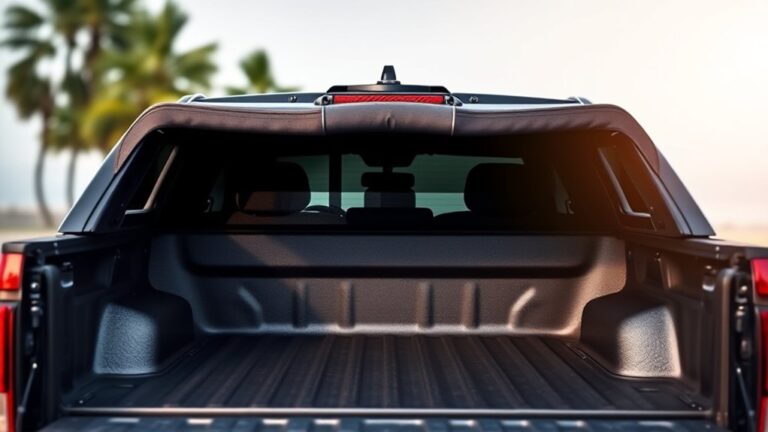
When preparing your truck for a car wash, you might wonder, should I roll up my tonneau cover? The answer isn’t always straightforward. It depends on several factors, including the cover’s material, the type of wash, and how securely the cover is installed.
Vinyl or leather covers, for example, may suffer damage if exposed to harsh brushes or high-pressure jets. Understanding these factors is essential to prevent wear and maintain your cover’s integrity. So, what should you consider before driving through the wash?
Key Takeaways
- Roll up soft or leather tonneau covers during automatic car washes to prevent damage from harsh brushes and snagging.
- Hard folding and retractable covers may stay down if securely installed, but verify manufacturer guidelines for wash compatibility.
- Manual or touchless car washes generally allow leaving the tonneau cover down without risk of damage.
- Always inspect and clean the cover gently before washing to avoid scratches from dirt or debris.
- Post-wash, check latches and seals to ensure proper closure and maintain cover longevity.
Should You Roll Up Your Tonneau Cover Before a Car Wash?
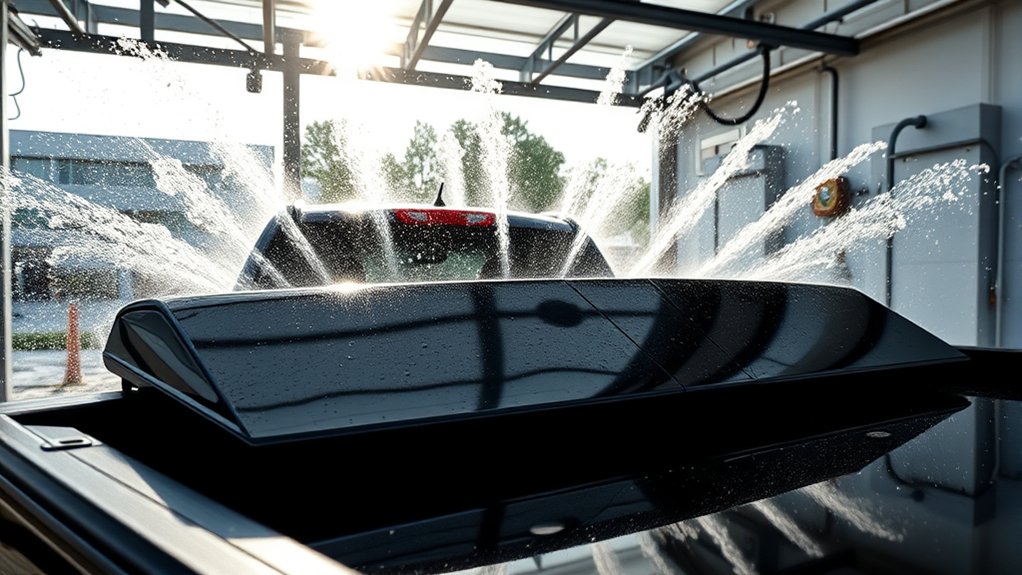
When preparing for a car wash, should you roll up your tonneau cover? The answer depends on the cover’s material and the wash type. Contrary to some detailing myths, you don’t always have to roll it up.
If your tonneau cover is made of leather or includes leather care considerations, leaving it unrolled can prevent unnecessary wear or damage. However, automatic car washes with harsh brushes might snag or scratch the cover, so rolling it up protects it in those cases.
For manual or touchless washes, you can usually leave it down without issues. Always check your vehicle manufacturer’s guidelines and evaluate your specific cover’s durability to avoid damage during cleaning while maintaining optimal care.
Types of Tonneau Covers and Car Wash Compatibility
Different types of tonneau covers interact with car washes in distinct ways, so understanding their construction is essential before deciding whether to roll them up. The cover materials and installation tips directly affect how your cover withstands automated cleaning processes.
- Soft Roll-Up Covers: Made from vinyl or fabric, these are flexible but sensitive to harsh brushes. You might need to roll them up to prevent damage.
- Hard Folding Covers: Constructed from aluminum or composite panels, these are sturdy and usually compatible with car washes without removal, provided installation is secure.
- Retractable Covers: Featuring aluminum slats or rigid materials, these require precise installation. Check if your car wash’s brushes could snag or damage the cover before deciding to leave it down.
Understanding these factors helps you protect your tonneau cover while ensuring effective cleaning.
Is It Safer to Use a Manual or Automatic Car Wash?
How do manual and automatic car washes compare in terms of safety for your vehicle and tonneau cover? Manual car washes generally offer greater control, allowing you to avoid harsh brushes or high-pressure water jets that may damage your tonneau cover. This hands-on approach supports better tonneau care, as you can carefully clean around sensitive areas.
Automatic car washes, while convenient, often use rotating brushes and jets that might cause abrasion or stress on tonneau materials if not compatible. From a car wash safety perspective, manual washes reduce the risk of accidental snags or mechanical damage to your cover. Ultimately, choosing between manual and automatic depends on your tonneau type and how cautious you want to be in protecting both your vehicle’s finish and cover integrity.
Risks of Keeping Your Tonneau Cover Closed in an Automatic Wash
While manual car washes allow you to adjust or remove your tonneau cover to prevent damage, keeping it closed during an automatic wash can expose it to several risks. Automatic wash compatibility is often overlooked, leading to potential issues with your cover’s seals and mechanisms.
Ignoring these factors can cause:
- Mechanical strain: Brushes and jets may apply uneven pressure, stressing hinges or latches.
- Water intrusion: Seals may fail under high-pressure sprays, letting water seep into the truck bed.
- Surface abrasion: Dirt trapped on the cover can scratch or wear the material during the wash cycle.
These are not irrelevant risks. They directly impact your cover’s longevity and function. Understanding automatic wash compatibility helps you avoid unnecessary damage by recognizing when keeping the cover closed is unwise.
How to Prep Your Tonneau Cover for a Car Wash
When preparing your tonneau cover for a car wash, what steps should you take to protect it effectively? First, inspect the cover for debris or dirt buildup and clean it gently using mild soap and water. Avoid chemical cleaners that can degrade the material or seals.
Next, ensure the cover is securely fastened or, if recommended, roll it up carefully, avoiding creases or sharp folds that may cause damage. If you decide to remove the cover, store it in a clean, dry place using careful storage methods such as a protective bag or padded surface to prevent scratches or deformation.
Finally, verify that all latches and seals are intact post-cleaning to maintain optimal function and durability during the wash cycle.
Common Car Wash Mistakes With Tonneau Covers
You might unknowingly damage your tonneau cover by using harsh brushes or high-pressure water jets, which can degrade the material over time.
Skipping proper cleaning steps can also reduce washing efficiency, leaving dirt trapped and causing wear. Understanding these common mistakes helps you maintain both the cover’s condition and your truck bed’s cleanliness.
Impact On Cover Material
Because tonneau covers are made from specialized materials like vinyl, fabric, or aluminum, improper handling during car washes can degrade their integrity. You need to understand how these materials react to stress and chemicals to maintain their impact durability and material flexibility. Consider these points:
- Excessive folding or rolling can cause micro-cracks in aluminum and stress points in vinyl, reducing durability.
- Harsh detergents or abrasive brushes can strip protective coatings, compromising flexibility and accelerating material fatigue.
- High-pressure water jets aimed directly at the cover edges may force water into seams, causing swelling or delamination in fabric covers.
Cleaning Efficiency Issues
How effectively can your tonneau cover be cleaned during a standard car wash? Typically, these automated systems focus on the vehicle’s main surfaces, often neglecting the cover’s crevices and edges.
Leaving your cover rolled up or down without adjustment can lead to incomplete dirt and debris removal, reducing cleaning efficiency. Avoid considering irrelevant topics like whether rolling the cover affects water spots; this is an off-topic idea unrelated to cleaning performance.
Instead, concentrate on how cover positioning impacts access for brushes and jets. If the cover obstructs spray paths, grime can accumulate, promoting premature wear.
To maximize cleaning efficiency, you might need to hand wash the cover or use specialized products designed for tonneau materials, ensuring thorough maintenance beyond what automated washes provide.
How to Protect Your Tonneau Cover During and After Washing
When should you roll up or secure your tonneau cover to prevent damage during a car wash? Assess the roll up feasibility first; some covers aren’t designed to be rolled during washing. Next, consider the type of wash detergents used. They can degrade certain materials if left exposed too long. To protect your cover, follow these steps:
Assess your tonneau cover’s roll-up compatibility and detergent safety to prevent damage during car washes.
- Verify your cover’s manufacturer guidelines on rolling or securing during washing.
- Use mild, cover-compatible wash detergents to avoid chemical damage.
- After washing, dry the cover thoroughly to prevent moisture buildup and potential mold or mildew.
Cleaning and Maintaining Your Tonneau Cover for Longevity
Why does regular cleaning and maintenance matter for your tonneau cover? Consistent care prevents dirt buildup, UV damage, and material degradation, extending its functional lifespan.
You should clean the cover with mild soap and water, avoiding harsh chemicals that can deteriorate surfaces. Inspect seals and fasteners regularly, tightening or replacing them as needed to maintain a secure fit.
Applying a UV protectant designed for your cover’s material helps prevent cracking and fading. Avoid treating this topic from an irrelevant topic or unrelated angle, such as general car care, which misses the specific needs of tonneau covers.
Focus strictly on maintenance practices tailored to your cover type, ensuring longevity and optimal performance. Proper upkeep not only preserves appearance but also prevents costly repairs or replacements.
Frequently Asked Questions
Can I Use Tire Cleaner on My Tonneau Cover?
You shouldn’t use tire cleaner on your tonneau cover, as it can damage the material.
Avoid subtopic mismatch or irrelevant discussion by sticking to products designed for tonneau covers to maintain their durability and appearance effectively.
Will Rain Damage My Tonneau Cover if Left Open?
Rain won’t drown your tonneau cover like a stormy sea, so it won’t cause damage if left open. Avoid off topic unrelated concerns; just ensure proper drainage and maintenance to prevent mold or mildew buildup over time.
How Often Should I Replace My Tonneau Cover?
You should follow replacement intervals based on wear signs, typically every 3-5 years. Regular maintenance routines, including cleaning and inspecting seals, help extend your tonneau cover’s lifespan and ensure ideal performance before considering replacement.
Can Pet Hair Damage a Tonneau Cover?
Pet hair itself won’t damage your tonneau cover, but it can accumulate and trap dirt or moisture, potentially degrading the cover material over time.
Regular cleaning prevents buildup, preserving your cover’s durability and appearance effectively.
Are Tonneau Covers Compatible With Bed Liners?
About 70% of truck owners choose both a tonneau cover and bed liner, showing strong tonneau compatibility with bed liners.
You’ll find most bed liner compatibility depends on liner type and proper installation for a secure fit.
Conclusion
Think of your tonneau cover like a pair of delicate gloves—if you don’t remove them before handling rough surfaces, they’ll wear out faster. Similarly, rolling up your vinyl or leather tonneau cover before a harsh car wash prevents damage from brushes and high-pressure jets.
By following manufacturer guidelines and prepping properly, you’ll extend your cover’s life and maintain its seal. This ensures your truck bed stays protected wash after wash.
To keep your cover in the best condition, always remember to roll up your tonneau cover in car wash situations.